Jean Measurement Guide: Finding Your Perfect Fit
Navigating the world of jeans can be tricky! This comprehensive guide will empower you to confidently determine your ideal jean size,
considering variations and ensuring a comfortable, flattering fit. We’ll explore key measurements and provide charts for both women and men.
Understanding sizing inconsistencies across brands is crucial, as a size 30 in one store might differ in another. Accurate measurements are key!
Understanding Jean Sizing Variations


Jean sizing isn’t standardized; it’s a notorious source of frustration for shoppers. Variations stem from differing manufacturing practices and the use of vanity sizing by brands. What constitutes a size 28 waist can fluctuate significantly between retailers, and even within the same brand over time.

Historically, jean sizes were based on actual body measurements, but many companies now prioritize creating sizes that customers want to see on the label, leading to discrepancies. This means relying solely on a number is often misleading. A collection of jeans from a woman’s closet can reveal an array of sizes that all fit identically, highlighting this issue.
Furthermore, stretch fabrics introduce another layer of complexity. Jeans with added elastane or spandex may fit differently than 100% cotton denim, even if labeled the same size. Therefore, focusing on measurements, not just the size tag, is paramount for a successful fit.
Why Jean Sizes Differ Between Brands
Several factors contribute to the inconsistency of jean sizes across brands. Primarily, there’s a lack of industry-wide standardization. Each manufacturer designs its patterns and fits independently, resulting in varying interpretations of what constitutes a specific size.
Marketing strategies also play a significant role. “Vanity sizing,” where brands intentionally make clothes larger than their labeled size, is common to appeal to customers. This practice aims to make shoppers feel better about their bodies and encourage purchases.
Additionally, target demographics influence sizing. Brands catering to different body types or fashion preferences may adjust their sizing accordingly. Fabric composition, cut, and rise (the distance from the crotch to the waistband) all impact fit and contribute to size variations. Ultimately, each brand has its unique sizing philosophy.
Key Measurements for Jeans
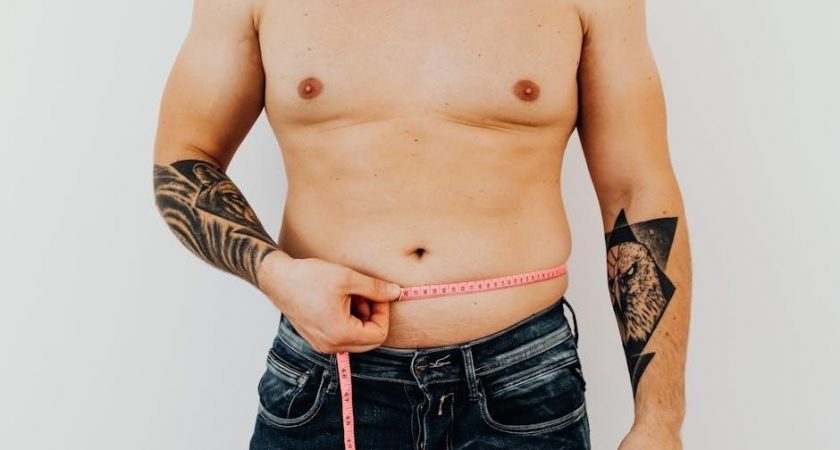
Accurate measurements are the foundation of finding your perfect jean fit. Three primary measurements are essential: waist, hip, and inseam. The waist measurement determines the circumference of your natural waistline, typically found just above your hip bones.
The hip measurement is taken around the fullest part of your hips, ensuring the tape measure is level. This measurement is crucial for determining how the jeans will fit through the seat and thighs. Finally, the inseam measures the length from the crotch to the bottom of the ankle, influencing the overall jean length.
These measurements, when compared to a brand’s size chart, provide a reliable starting point. Remember to measure yourself while wearing minimal clothing for the most accurate results.
Waist Measurement
Determining your waist measurement is the first step to a great jean fit. Use a flexible measuring tape and position it around your natural waistline – this is generally the narrowest part of your torso, located above your hip bones and below your ribcage.
Ensure the tape measure is snug but not tight, and that it sits level all the way around. Avoid pulling the tape too tightly, as this will result in an inaccurate, smaller measurement. Breathe normally while taking the measurement.
Record the measurement in inches or centimeters. This number will be your primary guide when selecting your jean size. Remember that waist sizes can vary between brands, so always consult the specific size chart for the jeans you are considering.
Hip Measurement
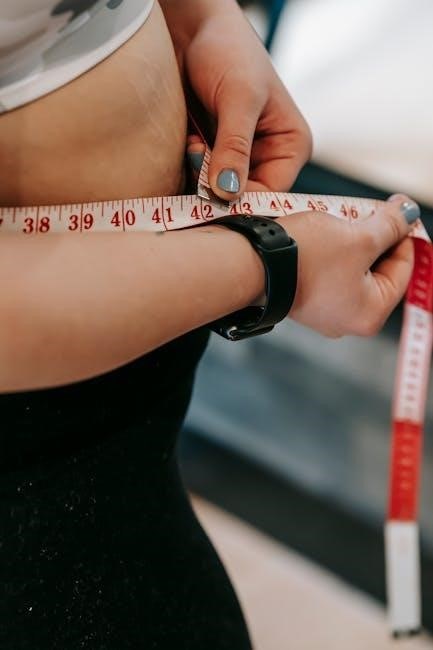
Accurately measuring your hips is vital, especially for jeans with varying fits. Stand with your feet together and measure around the fullest part of your hips and buttocks. This is typically 7-9 inches below your natural waistline.
Similar to waist measurement, use a flexible measuring tape and ensure it’s level around your body. Avoid pulling the tape too tightly; it should be snug but comfortable. Maintain a natural posture and breathe normally during the measurement process.

Record your hip measurement in inches or centimeters. This measurement, combined with your waist size, will help you determine the best jean style and size for your body shape. Consult the brand’s size chart for specific guidance.
Inseam Measurement
The inseam is the distance from your crotch to the bottom of the jean leg. To measure accurately, wear shoes similar to those you’ll wear with your jeans. Have someone assist you, or carefully measure along the inside of your leg.
Start at the crotch and measure down to where you want the jeans to fall on your shoe. Common lengths include short, regular, and long. A proper inseam ensures the jeans aren’t too long, dragging on the floor, or too short, appearing cropped.
Record this measurement in inches. Remember that inseam lengths can vary depending on the jean style and your personal preference. Refer to size charts for guidance, considering rise and overall jean length.
Women’s Jean Size Chart
Understanding women’s jean sizing requires acknowledging variations. Below are general guidelines, but always check the specific brand’s chart.
Standard Women’s Jean Sizes (US)
Here’s a common conversion based on body measurements:
- 44/XXS: Breast 80cm, Waist 60cm, Hips 88cm
- 46/XS: Breast 84cm, Waist 64cm, Hips 92cm
- 48/S: Breast 88cm, Waist 68cm, Hips 96cm
- 50/M: Breast 92cm, Waist 72cm, Hips 100cm
- 52/L: (and beyond) – measurements increase accordingly.
International Size Conversions (Women’s)

Sizes can differ significantly internationally. Always consult a conversion chart when purchasing from brands outside the US. Remember these are approximate and can vary.
Accurate measurements are vital for a perfect fit!
US women’s jean sizes are typically numerical, but can also be designated by letters (XS, S, M, L, etc.). However, consistency is lacking between brands, making precise measurement essential. The following provides a general guideline correlating body measurements to common US jean sizes.
- Size 24: Waist 26″, Hips 34″
- Size 25: Waist 27″, Hips 35″
- Size 26: Waist 28″, Hips 36″
- Size 27: Waist 29″, Hips 37″
- Size 28: Waist 30″, Hips 38″
These are averages; individual body shapes vary. Always prioritize waist and hip measurements for the best fit. Remember that rise (low, mid, high) also impacts how a jean feels and fits.
Converting women’s jean sizes internationally can be complex, as systems differ significantly. Here’s a general guide, but always check the specific brand’s size chart for accuracy. These conversions assume a standard US size as a starting point.
- UK: US Size 26 often converts to UK Size 10.
- Europe (EU): US Size 26 frequently corresponds to EU Size 36.
- Italy: US Size 26 is generally equivalent to Italian Size 40.
- France: US Size 26 typically translates to French Size 38.
Men’s Jean Size Chart
Understanding men’s jean sizing requires attention to waist and inseam measurements. Unlike women’s sizes, men’s are generally more consistent, but variations still occur. Below is a standard US men’s jean size chart as a starting point for finding your perfect fit.

| Waist (inches) | Size |
|---|---|
| 28-30 | 28 |
| 30-32 | 30 |
| 32-34 | 32 |
| 34-36 | 34 |
| 36-38 | 36 |

Remember to also consider inseam length (detailed in a separate section). Many brands offer varying fits – slim, straight, relaxed – which can influence how a size feels. Always consult the specific brand’s chart for the most accurate sizing information.
Standard Men’s Jean Sizes (US)

US men’s jean sizes typically range from 28 to 44 inches in waist size, with inseam lengths varying considerably. The most common waist sizes are 30, 32, 34, and 36. It’s important to note that these numbers often represent a range – for example, a size 32 jean might fit waists between 32 and 33 inches.
Inseam measurements generally start at 30 inches and extend to 36 inches or longer, categorized as short, regular, long, and extra-long. A standard “regular” inseam is often 32 inches. However, these are generalizations; always check the specific brand’s size chart. Variations in cut (slim, straight, relaxed) also affect how a size feels, so consider your body type and preferred style.
International Size Conversions (Men’s)
Converting men’s jean sizes internationally can be complex, as systems differ between countries. Generally, US sizes are a good starting point, but adjustments are often needed. For example, a US size 32 waist typically equates to a 48 in French sizing, a 38 in UK sizing, and a 46 in Italian sizing.
However, these are approximate conversions, and discrepancies can occur. Always consult a specific brand’s conversion chart for the most accurate fit. European sizes often use a numerical system, while UK sizes frequently incorporate inches. Remember to also consider inseam lengths, as these are less standardized internationally. When purchasing from overseas retailers, prioritize measuring your waist and inseam in inches or centimeters for a reliable comparison.
Measuring Your Waist Accurately
Accurate waist measurement is fundamental for finding jeans that fit comfortably. Use a flexible measuring tape, not a metal one. Stand naturally and relax your abdomen – don’t suck in! Locate your natural waistline, typically the narrowest part of your torso, above your belly button.
Wrap the measuring tape around your waist, ensuring it’s snug but not tight. It should be level all the way around your body. Exhale normally while taking the measurement. Record the measurement in inches or centimeters, depending on the size chart you’re using. It’s best to measure over a light layer of clothing or directly against your skin for precision. Double-check your measurement to avoid errors, as even a small difference can impact fit.
Measuring Your Hips Correctly
Measuring your hips accurately is vital, especially for jeans with varying cuts and styles. Stand with your feet together and your weight evenly distributed. Locate the fullest part of your hips and buttocks – this is where you’ll take the measurement.
Wrap the measuring tape around your hips, ensuring it passes over both hip bones. The tape should be snug but not constricting, remaining level around your body. Record the measurement in inches or centimeters, aligning with the units used in the size chart. It’s helpful to measure over a thin layer of clothing or directly against your skin for the most precise result. Double-check the tape’s position and the reading to ensure accuracy, as hip measurement significantly impacts jean fit and comfort.
Determining Your Inseam Length
Accurately determining your inseam is crucial for achieving the perfect jean length. The inseam is measured from the crotch seam along the inside of the leg to the bottom hem. The most reliable method requires a pair of well-fitting pants.
Lay the pants flat and measure along the inseam. Alternatively, you can measure from your crotch to the floor while wearing shoes – this provides a more personalized length. Consider the shoe height you typically wear with jeans, as this impacts the ideal inseam. Common inseam lengths are categorized as short, regular, and long, catering to different heights. Knowing your inseam ensures your jeans drape correctly and avoid being too short or pooling at your shoes.
Short, Regular, and Long Inseams
Typical inseam lengths are 28″, 30″, 32″, 34″, and 36″.
Inseam lengths are broadly categorized into short, regular, and long, though specific measurements can vary slightly between brands. Short inseams typically range from 28 to 30 inches, ideal for individuals with shorter legs or those preferring a cropped look. Regular inseams generally fall between 32 and 34 inches, suiting average heights and providing a classic jean length.
Long inseams, usually 36 inches or more, are designed for taller individuals. It’s important to remember these are guidelines; your ideal inseam depends on your height, body proportions, and preferred style. Consider your shoe choices – wearing heels will necessitate a longer inseam than flats. Always check the brand’s specific size chart for the most accurate fit.
These lengths are commonly found in most retail stores.
Understanding Rise in Jeans
Jean rise refers to the distance from the crotch seam to the top of the waistband. This measurement significantly impacts how jeans sit on your waist and overall comfort. Low-rise jeans, popular in the early 2000s, sit several inches below the natural waist, typically around the hips. Mid-rise jeans are the most versatile, landing around or slightly below the natural waist.
High-rise jeans, currently trending, sit at or above the natural waist, offering a retro look and providing tummy control. Your body shape and preference dictate the best rise for you. Consider your torso length – shorter torsos may find high-rise jeans constricting, while longer torsos benefit from the added coverage. Rise impacts how clothes fit, so choose wisely!
Low-Rise, Mid-Rise, and High-Rise
Low-rise jeans typically have a rise of 8-9 inches, sitting comfortably on the hips. They often create a longer leg line but may not be ideal for all body types, potentially causing discomfort or visible panty lines. Mid-rise jeans, with a rise of 9-11 inches, are a universally flattering option, hitting near the natural waist. They offer a balance of comfort and style, working well with various tops.
High-rise jeans boast a rise of 11 inches or more, extending to or above the natural waist. They cinch the waist, elongate the legs, and provide a vintage aesthetic. High-rise styles are excellent for creating an hourglass silhouette. Choosing the right rise depends on your body shape, comfort level, and desired look – experiment to find your perfect fit!
Jeans Fit Guide: Styles and Body Types
Straight-leg jeans are a classic, versatile choice, flattering most body types. Skinny jeans hug the legs, best suited for slimmer builds or paired with looser tops for balance. Bootcut jeans broaden at the knee, balancing wider hips and complementing boots. Wide-leg jeans offer a relaxed, fashionable look, working well with fitted tops.
For pear shapes, bootcut or wide-leg styles balance wider hips. Apple shapes benefit from mid-rise, straight-leg jeans to create a defined waist. Hourglass figures can rock high-rise, fitted styles showcasing their curves. Rectangle shapes can add volume with wide-leg or boyfriend jeans. Consider your body’s proportions and personal style when selecting a jean fit!