The Boy Who Harnessed the Wind, available as a PDF, recounts William Kamkwamba’s inspiring journey․ It details his fight against famine and his innovative spirit․
The PDF version offers access to this remarkable true story, showcasing resilience and the power of self-education, as documented on Internet Archive․
Published in 2009, the book, and its PDF iterations, have become widely accessible, inspiring readers with Kamkwamba’s ingenuity and determination․
Overview of the Book
The Boy Who Harnessed the Wind, readily available as a PDF download from sources like the Internet Archive, is William Kamkwamba’s compelling autobiography․ The narrative chronicles his upbringing in Malawi amidst severe poverty and a devastating famine in 2002․
The book details young William’s unwavering determination to improve his village’s circumstances․ Driven by a thirst for knowledge gleaned from library books, he conceives and constructs a wind turbine to provide electricity․ The PDF format allows widespread access to this story of ingenuity․
The narrative isn’t merely a technical account of windmill construction; it’s a powerful testament to the human spirit․ It highlights the importance of education, resourcefulness, and the potential for innovation even in the face of overwhelming adversity․ The PDF versions often include supplementary materials․
Author Background: William Kamkwamba
William Kamkwamba, born in 1987, is the Malawian author of The Boy Who Harnessed the Wind, a story widely circulated in PDF format․ His early life was marked by the significant challenges of rural Malawi, including limited access to education and the devastating 2002 famine․
Despite these hardships, Kamkwamba’s passion for learning led him to frequent the local library, where he discovered a world of scientific knowledge․ This self-education fueled his ambition to build a wind turbine, a feat detailed in his autobiography, now accessible as a PDF․
Kamkwamba’s story gained international recognition, leading to opportunities for further education and advocacy․ He continues to champion sustainable development and innovation in Africa․ The availability of the book as a PDF has broadened his reach and impact globally․
The Core Message: Innovation and Resilience
The Boy Who Harnessed the Wind, readily available as a PDF, powerfully conveys the themes of innovation and resilience in the face of overwhelming adversity․ William Kamkwamba’s story exemplifies how ingenuity and determination can overcome even the most dire circumstances․

The book, and its accessible PDF version, highlights the importance of self-reliance and the transformative power of education․ Kamkwamba’s wind turbine wasn’t merely a technological achievement; it symbolized hope and a refusal to succumb to despair․
The narrative, easily found in PDF format online, underscores the potential within individuals to create positive change, even with limited resources․ It’s a testament to the human spirit’s capacity to adapt, innovate, and persevere․
The Context: Malawi and the Famine
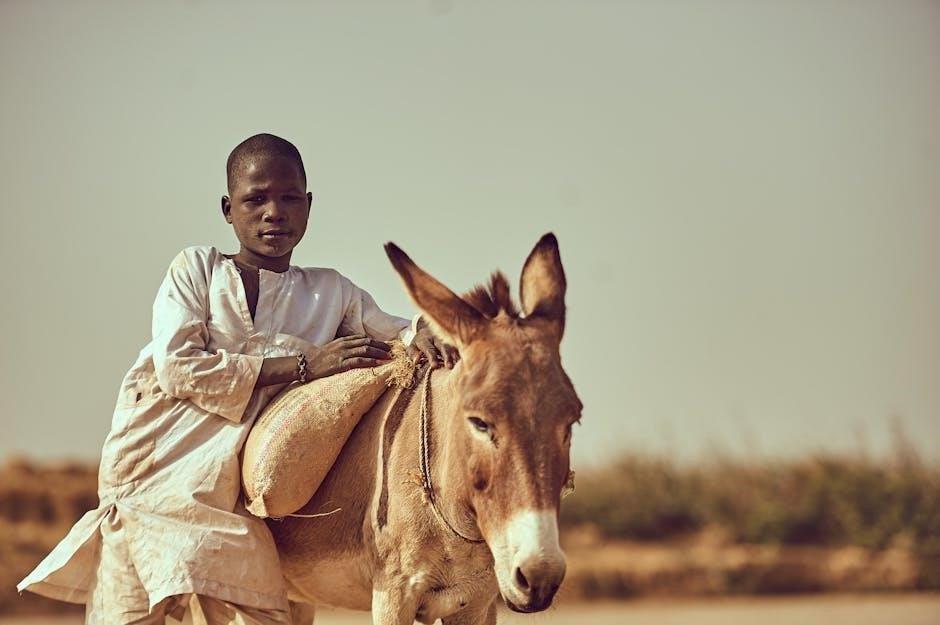
The Boy Who Harnessed the Wind PDF details Malawi’s severe 2002 famine, a crisis impacting William’s village and fueling his inventive solutions․
The PDF illustrates the socio-economic challenges faced by Malawi, setting the stage for Kamkwamba’s remarkable story of survival and ingenuity;
Malawi’s Socio-Economic Challenges
The Boy Who Harnessed the Wind, readily available as a PDF, implicitly highlights Malawi’s deep-rooted socio-economic struggles․ The narrative underscores pervasive poverty, limited access to education, and reliance on rain-fed agriculture – factors that rendered the nation exceptionally vulnerable․
The PDF reveals a nation grappling with systemic issues, including land distribution inequalities and a lack of diversified economic opportunities․ These challenges contributed significantly to the severity of the 2002 famine, as detailed within the book’s pages․
Furthermore, the story, accessible through various PDF resources, demonstrates how limited infrastructure and governmental support exacerbated the crisis, forcing individuals like William to seek innovative solutions for survival and community upliftment․ The book serves as a poignant testament to these hardships․
The 2002 Famine: A Nation in Crisis
The Boy Who Harnessed the Wind, obtainable as a PDF, vividly portrays Malawi’s devastating 2002 famine․ The book details widespread crop failure due to prolonged drought, leading to acute food shortages and widespread suffering across the nation․
The PDF version emphasizes the famine’s impact on communities, causing malnutrition, disease, and tragically, loss of life․ William Kamkwamba’s personal account, accessible through online PDFs, offers a harrowing glimpse into the desperation and resilience of the Malawian people․
The narrative, found in the PDF format, underscores the systemic failures that exacerbated the crisis, including inadequate disaster preparedness and limited access to resources․ It highlights the urgency of sustainable solutions and the power of individual initiative in the face of overwhelming adversity․
Impact on William’s Village
The Boy Who Harnessed the Wind, readily available as a PDF, poignantly illustrates the famine’s direct impact on William Kamkwamba’s village․ The PDF details how the crop failures led to widespread hunger, forcing families to sell their meager possessions for food․
The PDF version emphasizes the disruption of daily life, with children forced to drop out of school to help their families survive․ William’s village, as depicted in the PDF, faced a bleak future, with limited access to healthcare and dwindling hope․
The narrative, accessible in PDF format, highlights the community’s resilience amidst hardship, and William’s determination to find a solution, ultimately inspiring him to pursue his windmill project․ It’s a testament to the strength of the human spirit․
William’s Early Life and Education
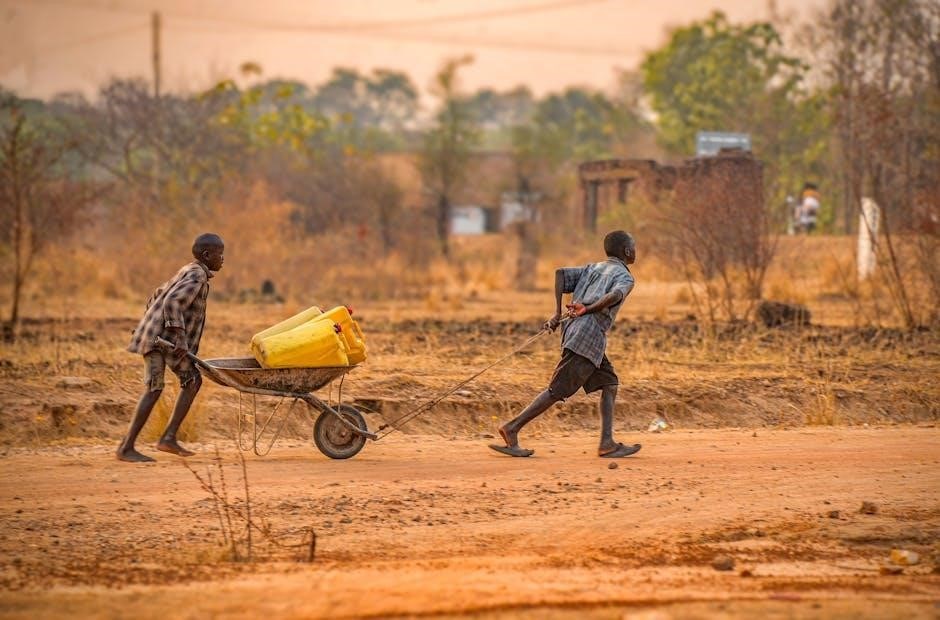
The Boy Who Harnessed the Wind PDF reveals William’s childhood in Malawi, emphasizing his family’s struggles and his passion for learning despite limited resources․
The PDF details his dedication to education, even when facing financial hardship, and his resourceful pursuit of knowledge through library books․
Early Childhood and Family Life
The Boy Who Harnessed the Wind, readily available as a PDF, paints a vivid picture of William Kamkwamba’s formative years in the rural village of Wimbe, Malawi․ The PDF details a close-knit family facing the harsh realities of subsistence farming and frequent economic challenges․
His father, Trywell, was a maize farmer, and his mother, Agnes, supplemented their income․ The PDF reveals the strong familial bonds and the importance of community support in navigating daily life․ William’s early life was deeply connected to the land and the rhythms of agricultural seasons․
However, the PDF also highlights the growing pressures of a large family and the increasing difficulties in providing for everyone, setting the stage for the devastating famine that would later impact their lives profoundly․
The Importance of Education Despite Hardship
The Boy Who Harnessed the Wind, accessible as a PDF, powerfully illustrates William Kamkwamba’s unwavering belief in the transformative power of education, even amidst extreme poverty and hardship․ The PDF details how, despite facing financial constraints that forced him to leave school, William continued his self-education relentlessly․
The PDF emphasizes his dedication to learning from any available resource, showcasing his resourcefulness and intellectual curiosity․ He understood education as a pathway to a better future, a means of escaping the cycle of poverty and improving his community’s circumstances․
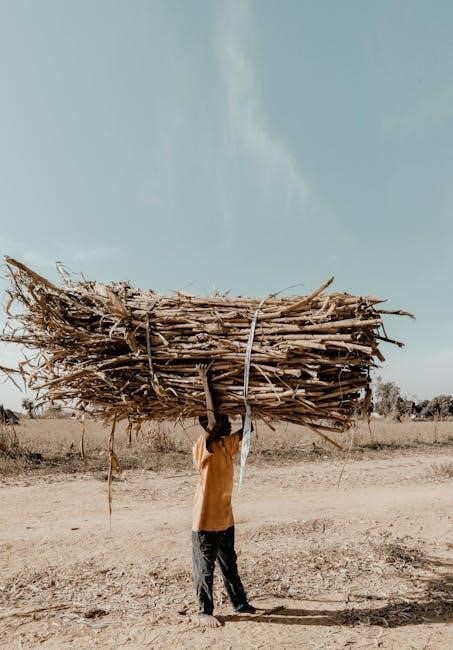
This commitment, vividly portrayed in the PDF, fueled his ambition and ultimately led to his groundbreaking windmill project, demonstrating the profound impact of knowledge and determination․
Discovering the Library and a World of Knowledge
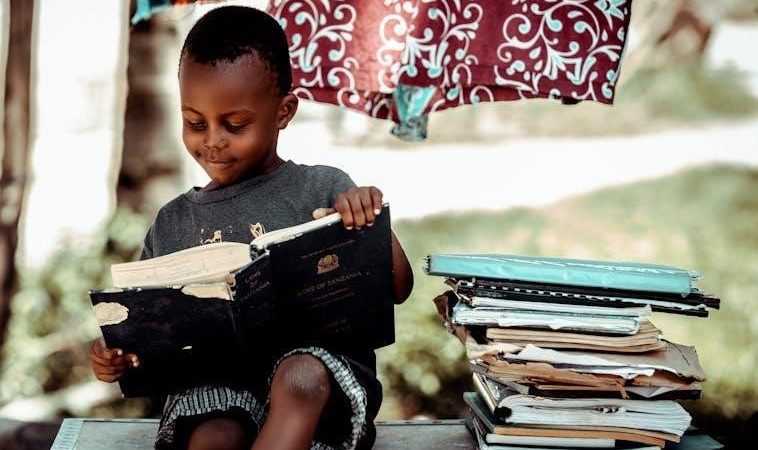
The Boy Who Harnessed the Wind, readily available as a PDF, highlights the pivotal role the local library played in William Kamkwamba’s life․ The PDF vividly describes his frequent visits, becoming a sanctuary and a source of invaluable knowledge despite limited resources․
The PDF details how William devoured books on science, engineering, and technology, fueling his imagination and providing the foundation for his ambitious windmill project․ This access to information, even in a modest library, sparked his innovative spirit․
The PDF underscores the library as a catalyst for change, demonstrating how access to knowledge can empower individuals to overcome adversity and transform their communities․
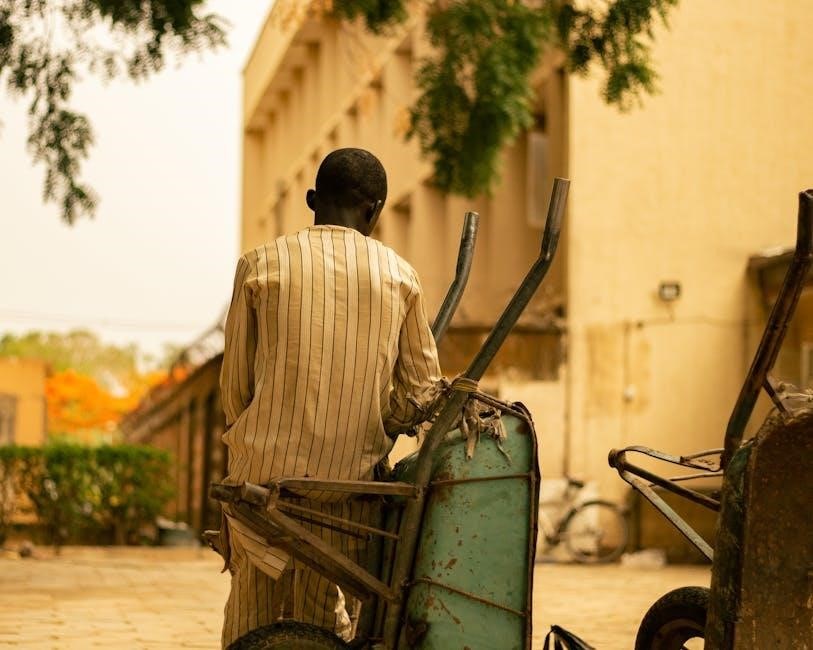
The Windmill Project: From Idea to Reality
The Boy Who Harnessed the Wind PDF details William’s ingenious plan to build a windmill, using scrap materials to bring electricity to his village․
The PDF showcases his resourcefulness and determination, transforming a dream into a life-changing reality for his community․
The Inspiration: Windmills and Electricity
The Boy Who Harnessed the Wind, readily available as a PDF, reveals that William’s inspiration stemmed from a pivotal moment: discovering information about windmills in his school library․
The PDF vividly describes how reading about these structures sparked a powerful idea – to harness the wind’s energy and bring electricity to his village, battling the devastating effects of famine․
This newfound knowledge, accessed through limited resources, ignited a passion for innovation and a belief in the possibility of a better future․ The PDF emphasizes that William wasn’t simply replicating a design; he was adapting it to his unique circumstances․
He envisioned a solution to the darkness and hardship, fueled by the simple yet profound concept of converting wind power into usable electricity, as detailed within the book’s PDF format․
Gathering Materials: Scavenging and Resourcefulness
The Boy Who Harnessed the Wind, accessible in PDF format, powerfully illustrates William’s incredible resourcefulness․ Facing extreme poverty, he couldn’t simply purchase materials for his windmill project․
The PDF details his relentless scavenging efforts – visiting junkyards, bicycle shops, and anywhere he could find discarded parts․ Old bicycle frames, water pump components, and even tractor parts became vital elements․
This wasn’t merely collecting trash; it was a testament to his ingenuity and determination․ The PDF emphasizes his ability to see potential in what others considered worthless, transforming scrap into a life-changing invention․
The book, and its PDF version, showcases how necessity truly became the mother of invention, driving William to overcome seemingly insurmountable obstacles with limited resources․
Construction Challenges and Solutions
The Boy Who Harnessed the Wind, readily available as a PDF, vividly portrays the immense construction challenges William faced․ Building a windmill with salvaged materials was far from straightforward․
The PDF details his struggles with engineering principles, lacking formal training․ He relied on library books – a crucial resource highlighted in the narrative – to understand aerodynamics and electricity․
The PDF also reveals issues with securing a stable tower, protecting the blades from the elements, and generating sufficient power․ William’s solutions were born from trial and error, demonstrating remarkable problem-solving skills․
The book, and its accessible PDF format, emphasizes his persistence, adapting designs and overcoming setbacks, ultimately proving that ingenuity can triumph over adversity․
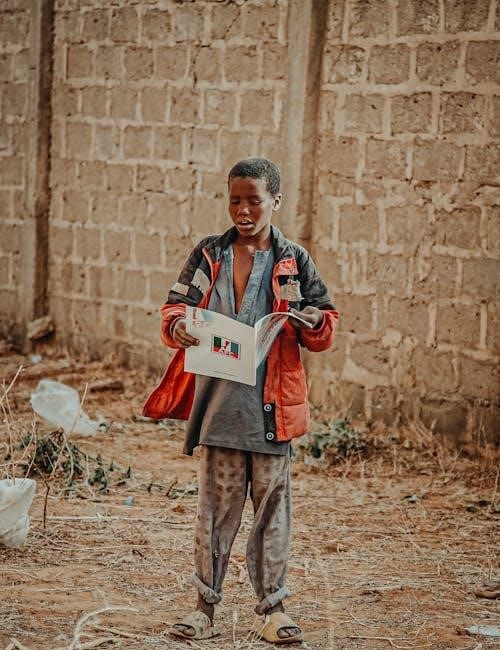
The Windmill’s Impact and Beyond
The Boy Who Harnessed the Wind PDF reveals how electricity transformed William’s village, improving lives and fostering opportunities for growth and innovation․
The PDF details expansion of the project, showcasing William’s continued ingenuity and dedication to uplifting his community through sustainable solutions․
Bringing Electricity to the Village
The Boy Who Harnessed the Wind, readily available as a PDF, vividly portrays the transformative moment electricity illuminated William’s village․ The PDF details how his homemade windmill, constructed from salvaged materials, successfully powered lights and radios, fundamentally altering daily life․
Prior to this innovation, villagers relied on expensive and unreliable kerosene lamps․ The PDF emphasizes the economic relief provided by free electricity, allowing families to save money and pursue other essential needs․ Access to light extended study hours for children, improving educational opportunities, a key theme within the PDF narrative․
Furthermore, the PDF highlights the social impact, as the windmill became a community hub, fostering a sense of hope and collective achievement․ It’s a testament to ingenuity detailed within the accessible PDF format․
Improved Living Conditions and Opportunities
The Boy Who Harnessed the Wind, accessible as a PDF, showcases how William’s invention dramatically improved living conditions․ The PDF details how electricity enabled access to clean water through a pumped well, reducing waterborne illnesses and easing the burden on women and children․
The PDF also illustrates the creation of new economic opportunities․ Villagers could now operate small businesses, like grain milling, powered by the windmill, increasing income and self-sufficiency․ This is vividly described within the PDF’s pages․
Beyond basic needs, the PDF highlights the enhanced access to information via radios, connecting the village to the wider world․ The story, readily available in PDF format, demonstrates how innovation can unlock potential and foster sustainable development․
Expanding the Project: Further Innovations
The Boy Who Harnessed the Wind, detailed in its PDF version, doesn’t end with the first windmill․ The PDF chronicles William’s relentless drive to improve his community through further technological advancements․ He didn’t stop at electricity; the PDF reveals his ambition to address other critical needs․
The PDF illustrates his work on an irrigation system, utilizing his engineering skills to boost agricultural yields and combat food insecurity․ This expansion, thoroughly documented in the PDF, demonstrates a commitment to holistic development․
Accessing the PDF reveals William’s vision extended to building a school and a medical clinic, showcasing his dedication to education and healthcare․ The story, available as a PDF, is a testament to the power of one individual to inspire lasting change․

Themes and Symbolism
The Boy Who Harnessed the Wind PDF embodies themes of resilience, education’s power, and innovation․ It symbolizes hope amidst adversity, readily available online․
The Power of Education
The Boy Who Harnessed the Wind, accessible as a PDF, profoundly illustrates the transformative power of education, even in the face of extreme hardship․ William’s relentless pursuit of knowledge, fueled by limited resources and a determined spirit, is central to the narrative․
Despite facing obstacles like school fees and a challenging socio-economic climate, William sought learning opportunities, ultimately discovering a world of information within the local library․ The PDF version allows readers to witness how this access to knowledge sparked his ingenuity․
His self-education, particularly regarding windmills and electricity, directly led to his life-changing invention․ The book, and its readily available PDF format, emphasizes that education isn’t confined to formal schooling, but is a catalyst for innovation and empowerment․
Overcoming Adversity
The Boy Who Harnessed the Wind, readily available as a PDF, is a testament to the human spirit’s capacity to overcome immense adversity․ William Kamkwamba’s story unfolds against the backdrop of a devastating famine in Malawi, a crisis vividly portrayed within the book’s pages and accessible through its PDF version․
Facing poverty, hunger, and the loss of opportunities, William refused to succumb to despair․ The PDF allows readers to deeply connect with his struggles and admire his unwavering determination․ He transformed hardship into motivation, utilizing salvaged materials to build a life-saving windmill․
The narrative, easily accessed in PDF format, showcases resilience, resourcefulness, and the power of hope in the face of seemingly insurmountable challenges, inspiring readers worldwide․
Hope and the Future of Malawi
The Boy Who Harnessed the Wind, accessible as a PDF, offers a beacon of hope not only for William Kamkwamba’s village but for the future of Malawi itself․ The book, and its convenient PDF format, demonstrates the transformative power of innovation and education in addressing systemic challenges․
Kamkwamba’s success story, detailed within the PDF, inspires a vision of a Malawi empowered by its own ingenuity and resourcefulness․ His windmill project symbolizes the potential for sustainable solutions to combat poverty and food insecurity․
The PDF version allows widespread access to this inspiring narrative, fostering a sense of optimism and encouraging further investment in education and technological advancement for a brighter future for Malawi․
“The Boy Who Harnessed the Wind” PDF Availability
The Boy Who Harnessed the Wind PDF is readily available via Internet Archive, offering free download and streaming access to this inspiring story․
Where to Find the PDF Version Online
The Boy Who Harnessed the Wind in PDF format is primarily accessible through the Internet Archive․ This platform offers both borrowing and free download options, making the book widely available to a global audience․
Users can find the PDF version by searching the title or author, William Kamkwamba, directly on the Internet Archive website․ Several listings exist, including different editions and formats, such as EPUB, alongside the PDF․
Legality and Ethical Considerations
Downloading PDF versions of copyrighted material, like The Boy Who Harnessed the Wind, from unofficial sources can raise legal and ethical concerns․ While the Internet Archive offers legitimate access through borrowing or free downloads where rights allow, caution is advised․
Supporting authors and publishers by purchasing the book through official channels ensures continued creation and distribution of valuable works․ Unauthorized downloads infringe on copyright laws and diminish the author’s rightful compensation․
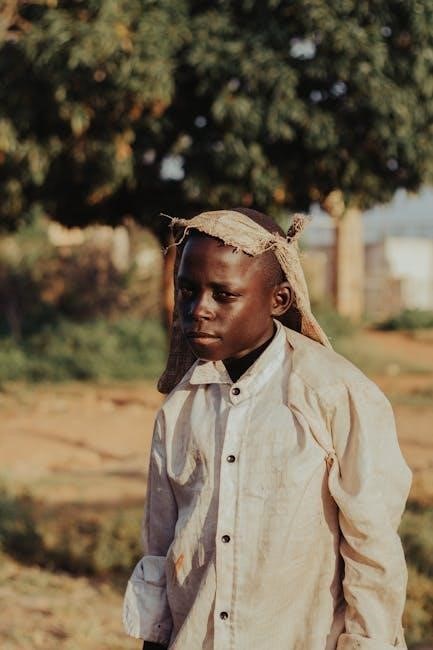
Prioritize accessing the PDF through reputable platforms like the Internet Archive, verifying the source’s licensing and permissions․ Respecting intellectual property rights is crucial, fostering a sustainable ecosystem for literature and knowledge sharing․ Ethical consumption supports the future of storytelling․
Several online resources offer PDF summaries of The Boy Who Harnessed the Wind, providing concise overviews of William Kamkwamba’s inspiring story․ These summaries are useful for quick comprehension or academic purposes, though they shouldn’t replace reading the full book․
These resources offer a convenient way to grasp the core themes of innovation, resilience, and the power of education, as depicted in Kamkwamba’s remarkable journey․ Always prioritize official sources when possible․