Article Plan: White Sewing Machine Manual
This comprehensive guide details the history, identification, and maintenance of White sewing machines, from early models to the FR series and beyond, offering invaluable resources.
White sewing machines represent a significant chapter in the history of domestic technology, celebrated for their durability, innovative designs, and widespread popularity. For generations, these machines empowered home sewers and professionals alike, becoming a staple in countless households. Understanding the nuances of White machines – from identifying models to performing essential maintenance – requires a dedicated resource.
This manual aims to be that resource, providing a detailed exploration of White’s legacy. We’ll delve into the evolution of their designs, focusing on the iconic rotary models like the FR series, 41, 43, and the Peerless. A key aspect of ownership is accurately dating your machine, often achieved through deciphering the serial number. We will explore these methods, alongside troubleshooting common issues and locating replacement parts, ensuring your White machine continues to function beautifully for years to come.
Historical Overview of White Manufacturing Company
The White Manufacturing Company’s origins trace back to 1858, initially focused on producing sewing machine shuttles before expanding into complete sewing machines. A pivotal moment arrived in 1859 with William Grout’s patent (US 24,629), a foundational design for early White machines. This innovation marked the company’s entry into a rapidly evolving industry.
Throughout the late 19th and early 20th centuries, White established a reputation for quality and reliability. The introduction of the “FR” or Family Rotary series proved particularly successful, becoming a cornerstone of their production. Over time, White underwent various ownership changes, eventually becoming part of Husqvarna Viking. Despite these transitions, the White name remains synonymous with robust, well-engineered sewing machines. Understanding this history provides context for appreciating the enduring appeal and mechanical ingenuity of these vintage machines.
Early White Sewing Machine Models (Pre-1900)
Prior to 1900, White sewing machines were characterized by their innovative designs and evolving mechanisms. The foundational Grout Sewing Machine patent of 1859 (US 24,629) represented a significant leap forward, establishing key features for subsequent models. Early machines often featured ornate detailing and robust construction, reflecting the craftsmanship of the era.
Serial numbers from this period, such as FR 140336, indicate pre-1900 manufacture. Identifying these early models requires careful examination of patent dates and mechanical features. These machines represent the genesis of White’s sewing machine legacy, showcasing the company’s commitment to quality and innovation. They laid the groundwork for the more recognizable FR series that would follow, embodying a pivotal stage in sewing machine development.
The Grout Sewing Machine Patent (1859)
William Grout’s 1859 patent (US 24,629) marked a crucial moment in White’s history, representing their initial foray into sewing machine manufacturing. Detailed illustrations of this patent showcase a machine significantly different from later rotary models, yet embodying the core principles of automated stitching. This early design featured unique mechanisms for fabric feed and stitch formation, demonstrating Grout’s inventive approach.
The patent itself provides valuable insight into the technological landscape of the mid-19th century. It’s a testament to the ingenuity of early sewing machine inventors. Studying the patent diagrams reveals the foundational elements that would influence White’s subsequent designs, establishing a clear lineage from this initial innovation to the more refined machines produced in the following decades. It’s a cornerstone of White’s manufacturing story.
Identifying White Rotary Sewing Machines
White rotary sewing machines, encompassing models like the 41, 43, and Peerless, share core characteristics despite variations. A key identifier is the “FR” prefix found in their serial numbers, signifying the “Family Rotary” designation. However, not all machines with “FR” numbers were exclusively branded “White,” as badge machines also utilized this system. Careful examination of the machine’s body for the “White” nameplate is crucial.
Distinguishing features include the overall body style, the type of hand crank (detachable in some Peerless models), and patent dates marked on the machine. Recognizing these details, alongside the serial number, allows for more accurate identification. Remember that variations exist within each model, making a comprehensive assessment essential. Thoroughly inspecting all markings and features is vital for correct classification.
Understanding White FR Serial Numbers
White FR serial numbers are fundamental to dating and identifying these sewing machines. The “FR” prefix denotes the “Family Rotary” series, used extensively across various models. Numbers like FR 140336 indicate pre-1900 manufacture, while FR 127544 points to around 1906. However, interpreting these numbers requires caution, as ranges overlap and reported data can vary.
It’s important to note that FR numbers weren’t exclusive to “White” branded machines; badge machines also utilized them. Therefore, the presence of an FR number alone doesn’t guarantee a genuine “White” machine. Utilizing serial number databases and, if possible, contacting Husqvarna/Viking/White directly, provides the most accurate dating information. Careful research and cross-referencing are key to unlocking the machine’s history.
Decoding FR Serial Number Ranges
Interpreting White FR serial number ranges isn’t always straightforward. While resources exist, overlaps and inconsistencies are common. Numbers below 105200 generally suggest earlier production dates, with FR 140336 confirmed as pre-1900. FR 127544 is documented as circa 1906, illustrating the progression. However, these are merely indicators, not definitive dates.
The ranges aren’t linear; gaps and variations exist due to production complexities and potential re-use of number sequences. Relying solely on a range can lead to inaccurate dating. For precise identification, supplementing serial number analysis with patent dates (like the March 11, 1890, date found on some Peerless models) and model-specific features is crucial. Consulting Husqvarna/Viking/White’s dating service offers the most reliable results.
Dating Your White Sewing Machine
Determining the age of your White sewing machine requires a multi-faceted approach. The serial number is the primary key, but it’s rarely a standalone solution. Begin by locating the FR serial number, typically found on the machine’s body. Cross-reference this number with available databases and charts, understanding that these resources may have limitations and potential inaccuracies.
Complement serial number research by examining patent dates stamped on the machine – for example, the March 11, 1890, date on Peerless models. Consider the model type (41, 43, 77, Peerless) as production timelines varied. If uncertainty persists, contacting Husqvarna/Viking/White directly at 1-800-446-2333 is highly recommended for professional dating assistance. Combining these methods yields the most accurate age estimation.
Using Serial Numbers for Age Determination
White sewing machine serial numbers, particularly the “FR” series, are crucial for estimating manufacturing dates, though interpretation isn’t always straightforward. Numbers like FR 140336 indicate pre-1900 production, while FR 127544 suggests a 1906 origin. However, ranges overlap, and variations exist between badge machines and those explicitly labeled “White.”
A quick check against available lists can provide a preliminary date, but these should be considered approximations. For more precise dating, utilize dedicated serial number database resources online. Remember that the FR system wasn’t consistently applied, and gaps in records occur. When possible, combine serial number analysis with patent dates and model identification for a more reliable assessment of your machine’s age.
Serial Number Database Resources
Locating reliable serial number databases is essential for accurately dating your White sewing machine. While a single, definitive resource doesn’t exist, several online platforms and communities offer valuable information. Dedicated vintage sewing machine websites often host user-contributed serial number logs, allowing for cross-referencing and comparison.
Online forums dedicated to antique sewing machines are also excellent sources. Members frequently share their knowledge and experiences, potentially providing insights into specific serial number ranges. Remember to verify information from multiple sources, as discrepancies can occur. Additionally, contacting Husqvarna/Viking/White directly (1-800-446-2333) offers a professional dating service, providing the most accurate assessment possible for your machine’s age.
White Model 41 Sewing Machine
The White Model 41 is a popular rotary sewing machine, known for its durability and smooth operation. As part of the broader FR (Family Rotary) series, it shares core features with models 43 and others, but possesses unique characteristics. Identifying a Model 41 involves examining its physical attributes and, crucially, its serial number.
These machines were produced over a considerable period, meaning serial number ranges can vary significantly. The Model 41 often features a distinctive badge and a robust construction. Owners seeking information should consult serial number databases and online forums to pinpoint the manufacturing year. Proper maintenance, including regular cleaning and oiling, ensures continued reliable performance of this classic machine.
White Model 43 Sewing Machine
The White Model 43, a member of the FR family of rotary sewing machines, is highly regarded for its reliability and ease of use. Similar to the Model 41, it benefits from a robust design and smooth stitching capabilities. Identifying a Model 43 requires careful observation of its features, including the machine’s badge and overall construction.
Determining the age of a Model 43 relies heavily on deciphering its serial number. These machines were manufactured across several years, resulting in a wide range of serial number possibilities. Resources like online databases and dedicated sewing machine communities can assist in dating. Consistent maintenance, encompassing cleaning, oiling, and proper tension adjustment, is vital for preserving the Model 43’s functionality and longevity.
White Peerless Sewing Machine
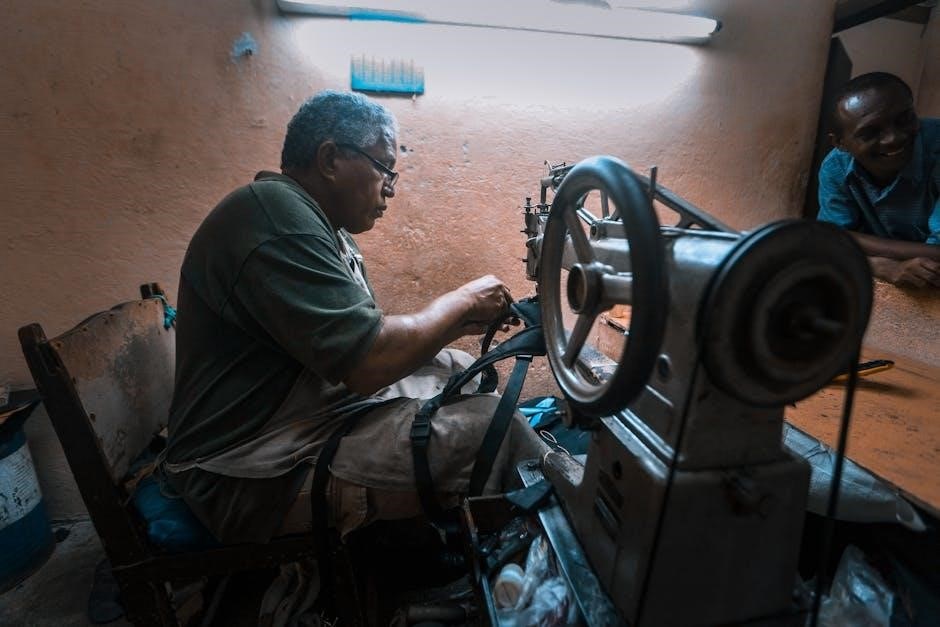
The White Peerless sewing machine represents a distinctive era in White’s manufacturing history, often recognized by its detachable hand crank. These machines, like the example with serial number 1019708 and a patent date of March 11, 1890, showcase a blend of craftsmanship and innovation. Identifying a Peerless involves noting its unique features, including the detachable crank and the “White S.M.” marking.
Dating a Peerless relies on examining its serial number and patent dates, providing clues to its production period. Understanding the machine’s construction and comparing it to known Peerless models aids in accurate identification. Regular maintenance, including cleaning and oiling, is crucial for preserving the Peerless’s operational integrity and ensuring smooth, reliable performance for years to come.
Peerless Model Features and Identification
Identifying a White Peerless sewing machine requires attention to specific details. The most prominent feature is the detachable hand crank, allowing for versatile operation and ease of storage. Look for the clear “White S.M.” marking, indicating its manufacturer. Serial numbers, such as 1019708, coupled with the last patent date – often found stamped on the machine (e.g., March 11, 1890) – are crucial for pinpointing the model’s age.
Peerless machines typically exhibit robust construction and a classic aesthetic. Careful examination of the machine’s body, stitch mechanisms, and any accompanying attachments will further confirm its identity. Comparing these features to documented Peerless models will ensure accurate identification, enabling proper maintenance and appreciation of this vintage sewing machine.
White Model 77 Sewing Machine
The White Model 77 is a highly regarded vintage sewing machine, known for its durability and reliable performance. A key identifier is checking the serial number; it will be clearly marked as either “77” or “MG77”. The “MG” designation indicates a lighter-weight version, featuring a magnesium base, offering a noticeable difference in overall heft compared to the standard Model 77.
These machines are considered excellent examples of White’s engineering prowess. Owners often praise their smooth operation and ability to handle various fabrics. When sourcing parts or information, specifying whether you have a standard 77 or the MG77 variant is crucial for compatibility. Thoroughly inspecting the base material will quickly reveal which model you possess, aiding in accurate restoration and repair efforts.
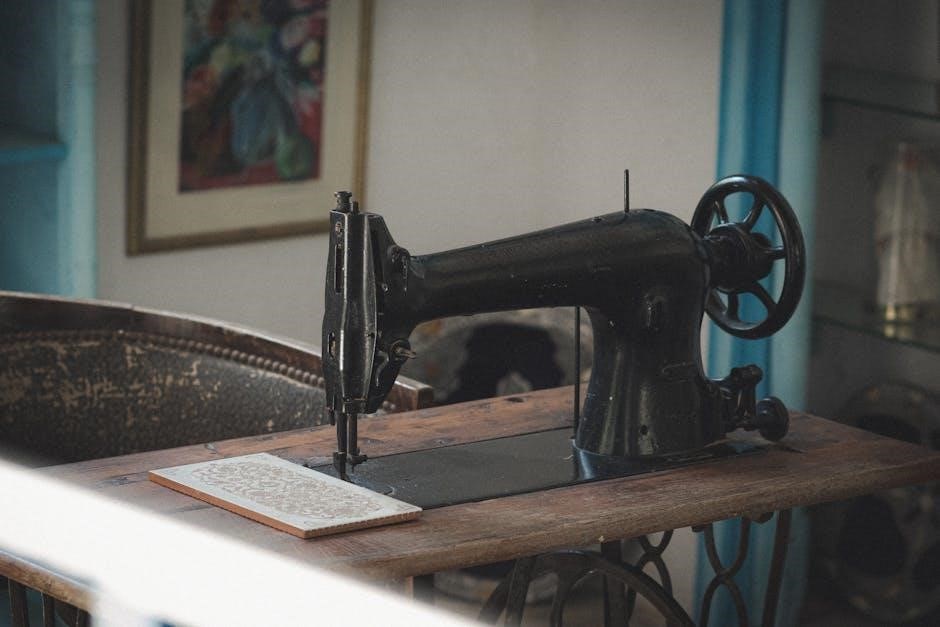
Distinguishing Between Model 77 and MG77
The primary difference between the White Model 77 and MG77 lies in their base construction. The standard Model 77 features a heavier, typically cast iron base, providing substantial stability during operation. Conversely, the MG77 utilizes a magnesium base, resulting in a significantly lighter machine. This weight reduction was a key characteristic of the MG77 variant.
Visually, the magnesium base often appears slightly different in color and texture compared to cast iron. A simple weight comparison is the most definitive method for identification. The MG77’s lighter weight makes it more portable, while the standard 77 offers increased stability for demanding sewing tasks. Knowing which model you have is vital when sourcing replacement parts, as components are not always interchangeable.
White Sewing Machine Parts and Accessories
White sewing machines, renowned for their durability, often require replacement parts over time. Common components needing attention include needles, bobbins, belts, and tension discs; Original White accessories, such as specialized presser feet and attachments, significantly enhance functionality. Locating these parts can sometimes be challenging due to the age of the machines.
However, a dedicated community and resourceful online vendors specialize in vintage sewing machine parts. Ensuring compatibility is crucial; referencing the specific model number (like 41, 43, or 77) is essential when ordering. Beyond essential replacements, consider acquiring a comprehensive accessory kit to unlock the full potential of your White machine, enabling a wider range of sewing projects and techniques.
Finding Replacement Parts
Sourcing replacement parts for vintage White sewing machines requires a bit of detective work. Online auction sites, like eBay, frequently list original White parts, but verifying condition and compatibility is vital. Specialized vintage sewing machine retailers offer a curated selection, often with detailed descriptions and knowledgeable support; Don’t overlook the possibility of parts compatibility between different White models, particularly within the FR family;
Furthermore, online forums and communities dedicated to White sewing machines are invaluable resources. Members often share leads on parts sources and offer advice on substitutions. When searching, always have your machine’s model and serial number handy to ensure accurate identification and ordering. Husqvarna/Viking/White may also assist with part inquiries, though availability can vary.
Common White Sewing Machine Problems
White sewing machines, despite their durability, can experience common issues with age. Tension problems are frequent, leading to uneven stitches; these often stem from incorrect threading or a dirty tension assembly. Broken belts are another typical concern, requiring replacement with the correct size and material. Additionally, gummed-up mechanisms due to old oil and dust can cause sluggish operation or complete stalling.
Needle breakage can occur from using the wrong needle type or size for the fabric. Bobbin winding difficulties are also reported, often linked to a worn bobbin winder tire. Regularly cleaning and oiling, as detailed in the maintenance section, can prevent many of these problems. Identifying the specific model and serial number aids in targeted troubleshooting.
Troubleshooting Basic Issues
When encountering problems, start with the simplest solutions; For skipped stitches, re-thread the machine, ensuring the presser foot is up. If the fabric isn’t feeding, check the feed dogs for debris and confirm they are engaged. A jammed bobbin often requires carefully removing the bobbin case and clearing any tangled threads.
Uneven stitches frequently indicate tension imbalances; adjust the top tension dial incrementally while testing. If the machine is noisy, a drop of oil on key moving parts may resolve the issue. Always disconnect the power before attempting any internal repairs. Refer to the model-specific diagrams for component locations. Remember to consult online forums for shared experiences and solutions related to your specific White machine.
White Sewing Machine Maintenance
Regular maintenance is crucial for preserving your White sewing machine’s longevity and performance. Dust accumulation hinders smooth operation, so routinely brush away lint from the bobbin area and internal mechanisms. Oiling is essential; apply a few drops of sewing machine oil to all moving parts – the motor, gears, and needle bar – after every eight hours of use.
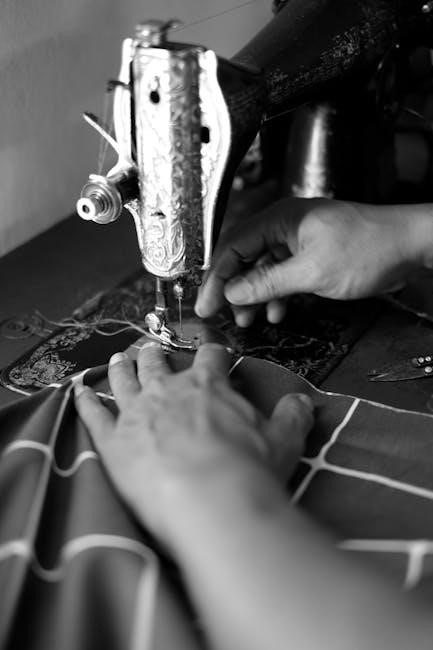
Avoid over-oiling, as excess oil attracts dust. Periodically check the belt for wear and tear, replacing it if it’s cracked or stretched. Clean the machine’s exterior with a soft cloth. Proper storage, covered to protect from dust, also contributes to its lifespan. Consistent care ensures years of reliable service from your vintage White.
Cleaning and Oiling Procedures
Thorough cleaning prevents lint buildup, a common cause of malfunctions. Begin by disconnecting the power. Use a brush to remove lint from the bobbin case, feed dogs, and surrounding areas. A small vacuum attachment can help reach tight spaces. For oiling, utilize sewing machine oil – never household oil! Apply a drop to the motor, gears, needle bar, and any other moving parts.
Wipe away excess oil with a clean cloth to avoid attracting dust. Regularly oiling, after approximately eight hours of sewing, ensures smooth operation. Clean the exterior with a damp cloth. Avoid harsh chemicals. Consistent cleaning and proper lubrication are vital for maintaining your White sewing machine’s performance and extending its life.
Belt Replacement Guide
A broken or worn belt prevents power transfer to the needle. First, disconnect the machine from power. Locate the belt, typically covering the motor pulley and the handwheel. Carefully remove the machine cover for access. Note the belt’s routing before removal – a photograph is helpful! Gently pry off the old belt from both pulleys.
Install the new belt, ensuring it’s seated correctly on both the motor pulley and the handwheel. Verify proper tension; it should have slight give but not be excessively loose. Replace the machine cover. Test the machine to confirm the belt is functioning correctly. A properly installed belt restores power and allows for seamless sewing operation, extending the machine’s usability.
Tension Adjustment Techniques
Proper tension is crucial for balanced stitches. Incorrect tension leads to looping or puckering. Begin by threading the machine correctly, ensuring the thread is seated firmly in the tension discs. Test sew on scrap fabric. If the top thread loops on the underside, decrease upper tension. Conversely, if the bobbin thread loops on top, increase upper tension.
Adjust tension in small increments, retesting after each change. The goal is a balanced stitch where the threads interlock evenly within the fabric layers. Bobbin tension adjustments are less frequent but may be needed; consult your manual for specific instructions. Consistent tension ensures high-quality, durable seams and prevents frustrating sewing issues.
Needle Selection for White Machines
Choosing the correct needle is vital for optimal sewing performance. White machines, depending on the model and fabric type, require specific needle systems and sizes. Universal needles (size 80/12, 90/14, 100/16) work well for woven fabrics. For knits, use ballpoint or stretch needles to avoid snagging or damaging the fabric.
Denim and heavier materials necessitate jeans needles. Needle size corresponds to fabric weight; finer fabrics need smaller needles, while thicker fabrics require larger ones. Always replace needles frequently – a dull needle causes skipped stitches and fabric damage. Ensure the needle is correctly inserted, with the flat side facing the back. Using the appropriate needle significantly improves stitch quality and extends fabric life.
Bobbin Winding Instructions
Proper bobbin winding is crucial for consistent stitch quality. Begin by placing the thread spool on the spool pin. Guide the thread through the thread guides, ensuring it engages the tension disc. Next, thread the bobbin according to your machine’s diagram – typically involving a path around a metal plate.
Secure the thread end into the bobbin, often by winding it a few times by hand. Engage the bobbin winder mechanism, usually by sliding a lever or pressing a button. Gently depress the foot pedal to start winding. Once full, the winder will automatically stop. Remove the bobbin and trim the thread end. Consistent tension during winding is key; adjust the tension knob if needed for even winding.
Resources for White Sewing Machine Manuals
Locating original White sewing machine manuals can be challenging, but several resources exist. Online archives, such as ISMACS (International Sewing Machine Collectors’ Society), often host digitized manuals for various models. Vintage sewing machine enthusiast forums frequently share scanned copies or offer guidance on finding specific manuals.
Furthermore, contacting Husqvarna/Viking/White directly – at 1-800-446-2333 – may yield assistance in locating manuals or dating your machine, potentially leading to relevant documentation. Websites specializing in vintage sewing machine parts sometimes offer downloadable manuals as a service. Remember to specify your machine’s model and serial number when searching for the most accurate resource.
Contacting Husqvarna/Viking/White for Dating
Determining the precise manufacturing year of your White sewing machine can be achieved by directly contacting Husqvarna/Viking/White. They maintain historical records and offer a dating service for White machines. The provided contact number is 1-800-446-2333; be prepared to provide the machine’s serial number and, if possible, the model number for accurate identification.
This direct approach is often the most reliable method, especially for models where serial number databases are incomplete or ambiguous. While online resources offer estimates, the company’s internal records provide definitive dating information. Be patient, as response times may vary. Having detailed information readily available will expedite the process and ensure a successful dating request.
Online Forums and Communities
Numerous online forums and communities are dedicated to vintage sewing machines, including White models. These platforms offer a wealth of knowledge, shared experiences, and assistance from fellow enthusiasts. Members frequently discuss identification, dating, repair, and sourcing parts for White machines.
Searching online for “vintage sewing machine forums” or “White sewing machine groups” will reveal several active communities. Posting clear photos of your machine, including the serial number and any identifying marks, will help members provide accurate information. These forums are invaluable for troubleshooting issues, finding replacement parts, and connecting with others passionate about preserving these historical machines. Active participation can unlock a treasure trove of expertise.
White sewing machines represent a significant chapter in the history of domestic technology and manufacturing. Their enduring quality and innovative designs continue to captivate collectors and sewing enthusiasts alike. By understanding their history, identifying key features, and providing proper maintenance, we can ensure these machines remain functional and appreciated for generations to come.
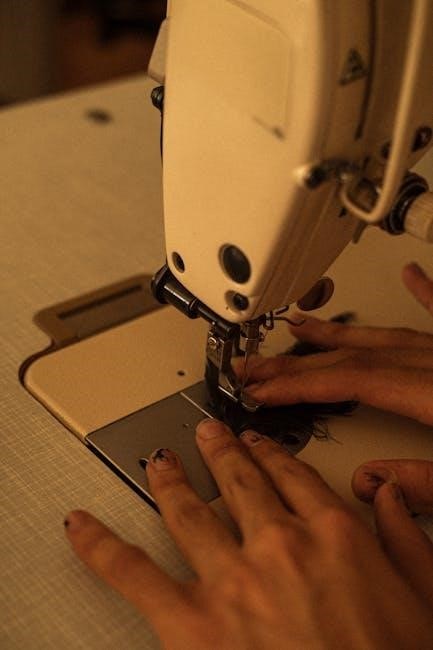
Resources like serial number databases, online communities, and direct contact with Husqvarna/Viking/White are crucial for preserving this legacy. Sharing knowledge, restoring machines, and documenting their stories contribute to a richer understanding of the past. Continued research and dedication will safeguard the heritage of White sewing machines, ensuring their place in textile history is never forgotten.