
Delving into Ping putter collecting unveils a fascinating world, blending golfing history with tangible artifacts. These clubs offer a unique
combination of performance, feel, and enduring appeal for enthusiasts and players alike.
The Allure of Vintage Ping Putters
Vintage Ping putters possess a captivating charm extending beyond mere golfing equipment; they represent a tangible connection to the sport’s rich history. Collectors are drawn to the innovative designs pioneered by Karsten Solheim, the founder of Ping, and the exceptional feel these putters deliver. The enduring quality and craftsmanship of these older models contribute significantly to their desirability.
The appeal also lies in the hunt – discovering a rare model or one in pristine condition offers a unique thrill. Many collectors appreciate the aesthetic of classic designs, preferring the look and feel of vintage clubs over modern alternatives. Furthermore, owning a piece of golfing history provides a sense of prestige and connection to the legends who once used similar equipment on the course.

Historical Significance of Ping
Ping, founded in 1959 by Karsten Solheim, revolutionized golf club design with its focus on engineering and innovation. Dissatisfied with existing putters, Solheim began experimenting in his garage, ultimately creating the now-iconic Anser design in 1966. This marked a turning point, introducing heel-toe weighting which significantly improved stability and accuracy on the greens.
Ping’s success wasn’t immediate, but word-of-mouth spread among professionals, leading to numerous tour victories. The company consistently pushed boundaries, utilizing investment casting and computer-aided design long before they became industry standards. This commitment to technological advancement cemented Ping’s place as a leader in golf club manufacturing, and its putters became synonymous with quality and performance, making them highly sought-after collectibles today.

Key Ping Putter Models for Collectors
Certain Ping putter models, like the Anser, B60, Zing, Pal, and Scottsdale, consistently command higher prices and attract dedicated collectors due to rarity.
The Iconic Ping Anser
The Ping Anser stands as arguably the most recognizable and sought-after putter in golf history. Introduced in 1969, its innovative design, featuring a stainless steel head with a copper face insert, quickly gained favor among professionals and amateurs.
Karsten Solheim’s Anser revolutionized putting, offering improved feel and accuracy. Early models, particularly those with the original “Anser” stamping and specific zip code markings (Scottsdale being particularly valuable), are highly prized by collectors. Variations exist, including the Anser 2, Anser 3, and Anser 4, each with subtle design differences.
Condition significantly impacts value; original grips and minimal wear increase desirability. The Anser’s enduring legacy and widespread use ensure continued demand within the collector’s market, making it a cornerstone of any serious Ping putter collection.
The Popular Ping B60
The Ping B60, introduced in the 1980s, quickly became a favorite among golfers seeking a stable and forgiving putter. Distinguished by its block-style design and often featuring a brass or copper insert, the B60 offered a distinct feel and visual appeal. It gained prominence as a tournament winner, further solidifying its popularity.
Collectors value B60 models based on condition, originality, and specific features like insert material and head markings. Like the Anser, zip code dating plays a crucial role in determining value, with Scottsdale-marked B60s commanding higher prices. Variations in hosel type and length also contribute to collectibility.
While not as universally iconic as the Anser, the B60 remains a highly desirable Ping putter, representing a significant era in the company’s design evolution and offering a compelling option for both players and collectors.
Other Notable Models: Zing, Pal, and Scottsdale
Beyond the Anser and B60, several other Ping putter models attract collectors. The Ping Zing, known for its vibrant colors and adjustable weighting system, represents a more modern design, gaining popularity in the 1990s. The Pal, a blade-style putter, offered a classic aesthetic and appealed to players preferring a traditional feel.
However, the Scottsdale series, particularly those bearing the Scottsdale, Arizona zip code, are highly sought after. These putters often feature premium materials and intricate designs, commanding significant premiums in the collector’s market. Identifying the specific Scottsdale model and its production year is key to valuation.
These models, while perhaps less ubiquitous than the Anser, demonstrate Ping’s continued innovation and commitment to quality, making them valuable additions to any Ping putter collection.

Identifying and Dating Ping Putters
Decoding stamps, markings, and the zip code dating system—Phoenix versus Scottsdale—are crucial for pinpointing a Ping putter’s origin and era of production.
Decoding Ping Putter Stamps and Markings
Ping putter stamps and markings are essential clues for collectors seeking to authenticate and date their prized possessions. Early models often feature minimal markings, primarily the “Ping” name and potentially a patent number. However, as production evolved, so did the stamping details. Collectors meticulously examine these markings for variations in font, size, and placement.
The presence of specific stamps can indicate the putter’s manufacturing period. Later Scottsdale-era putters prominently display the Scottsdale, Arizona zip code, a key identifier. Understanding these subtle differences requires careful observation and comparison with known examples. Furthermore, examining the alignment marks and any custom engravings can provide additional insights into a putter’s history and potential rarity. Detailed research and comparison are vital for accurate identification.
Understanding Zip Code Dating System (Scottsdale vs. Phoenix)
Ping putter collectors heavily rely on the zip code dating system to establish a putter’s approximate age. Initially, putters were stamped with a Phoenix, Arizona address. This period represents the earlier production years; A significant shift occurred when Ping relocated its manufacturing to Scottsdale, Arizona. Putters bearing the Scottsdale zip code are generally more valuable, particularly those from the earlier Scottsdale periods.
The transition wasn’t immediate, creating overlap and nuances. Knowing the specific zip code ranges associated with different years is crucial. Collectors consult detailed charts and resources to pinpoint production dates. Scottsdale-stamped putters generally command higher prices due to their relative scarcity and desirability. Understanding this system is fundamental for accurate valuation and authentication within the Ping collecting community.
Identifying Different Eras of Production
Ping putter production can be broadly categorized into distinct eras, each exhibiting unique characteristics. The early Phoenix era (pre-1970s) features simpler designs and stamping methods. The transition to Scottsdale saw refinements in manufacturing and the introduction of new models like the Zing. The 1980s and 90s brought further innovation, including variations in weighting and head shapes, such as the Pal.
Later production runs (2000s onwards) often incorporate more modern materials and finishes. Identifying these eras involves examining not only the zip code but also the stamping style, head shape, and grip type. Subtle details, like the font used on the sole or the presence of specific markings, can provide clues to a putter’s age and origin. Careful observation is key to accurate dating.

Evaluating Condition and Authenticity
Assessing a Ping putter’s value requires careful scrutiny of its condition, checking for wear, modifications, and originality of grips—vital for collectors.

Assessing Head Condition: Dings, Scratches, and Wear
The condition of a Ping putter’s head significantly impacts its value. Collectors meticulously examine heads for dings, scratches, and overall wear. Minor blemishes are often acceptable, even expected on vintage models, demonstrating authentic use on the course. However, significant damage—deep scratches, substantial dents, or repairs—can drastically reduce a putter’s worth.
Pay close attention to the sole of the putter, checking for wear patterns that indicate consistent use. Look for evidence of refinishing or attempts to conceal damage, as these can devalue the club. Original finishes are highly prized. Even seemingly minor imperfections can tell a story about the putter’s history, adding to its appeal for dedicated collectors.
Grip Condition and Originality
The grip’s condition and, crucially, its originality are vital considerations for Ping putter collectors. Original grips, even if worn, often command a premium, representing a piece of the putter’s history. However, grips deteriorate over time, becoming cracked, hardened, or simply unusable. A severely damaged original grip might be acceptable, but a replacement will affect value.
Determining originality can be challenging. Researching the specific model and era can help identify the correct grip type. If a grip has been replaced, a high-quality, period-appropriate replacement is preferable. Avoid modern grips on vintage putters. A well-maintained, original grip, or a sympathetic replacement, demonstrates respect for the putter’s heritage and enhances its collectibility.
Checking for Modifications and Restorations
Carefully inspect any Ping putter for modifications or restorations, as these significantly impact value. Originality is paramount for serious collectors. Look for evidence of refinishing, which can diminish a putter’s authenticity. Check the sole for signs of grinding or welding, indicating attempts to alter the putter’s weight or balance. Even seemingly minor changes, like replaced ferrules or headcovers, can raise concerns.
Restorations, while sometimes necessary to preserve a putter, should be disclosed. A professionally done restoration might be acceptable to some, but it rarely matches the value of an untouched original. Document any modifications or restorations you find, as transparency builds trust with potential buyers. A putter in completely original condition will always be the most desirable.

Where to Find Ping Putters for Sale
Discover vintage Ping putters through online marketplaces like eBay and GolfWRX, specialty golf shops, collector events, and dedicated online forums and communities.

Online Marketplaces (eBay, GolfWRX)
eBay presents a vast and dynamic platform for Ping putter collectors, offering a wide range of models, conditions, and price points. Diligent searching and careful examination of seller feedback are crucial for successful acquisitions. Be prepared to navigate auctions and “Buy It Now” listings, and always scrutinize detailed photographs.
GolfWRX, a dedicated online community for golf enthusiasts, features a robust marketplace specifically catering to higher-end and collectible clubs. This platform often attracts more knowledgeable sellers and collectors, potentially leading to more accurate descriptions and fair pricing. However, competition can be fierce for highly sought-after models. Remember to verify authenticity and condition before committing to a purchase on either platform.
Specialty Golf Shops and Collectors’ Events
Specialty golf shops, particularly those focusing on vintage or pre-owned equipment, can be excellent sources for Ping putters. These shops often employ knowledgeable staff who can assist with identification, authentication, and valuation. Building relationships with these retailers can provide access to exclusive finds before they hit broader markets.
Collectors’ events, such as golf shows and swap meets, offer a unique opportunity to examine putters in person and interact directly with sellers. These events allow for detailed inspection of condition and the chance to negotiate prices. Networking with fellow collectors at these gatherings can also yield valuable insights and potential leads on rare or desirable models. Remember to thoroughly research before attending and be prepared to authenticate any potential purchases.
Collector Forums and Communities
Online forums and communities dedicated to golf and, specifically, Ping putter collecting, represent invaluable resources for enthusiasts. Platforms like GolfWRX feature dedicated threads where collectors share information, discuss valuations, and showcase their acquisitions. These spaces facilitate knowledge exchange regarding identification, dating, and restoration techniques.
Engaging with these communities allows you to learn from experienced collectors, ask questions, and gain access to a network of potential buyers and sellers. Many forums host classified sections where members list putters for sale. However, exercise caution and due diligence when making purchases through these channels, verifying the seller’s reputation and the putter’s authenticity before committing to a transaction. Active participation fosters a deeper understanding of the hobby.

Valuation and Pricing
Determining a Ping putter’s value requires considering condition, model rarity, historical significance, and current market trends; research is absolutely essential for accurate pricing.
Factors Influencing Ping Putter Value
Several key elements significantly impact the value of a vintage Ping putter. Firstly, the model itself plays a crucial role; iconic designs like the Anser command higher prices than lesser-known variations. Condition is paramount – putters in pristine, original condition fetch substantial premiums. Conversely, significant wear, dings, or scratches will decrease value.
Zip code dating, particularly Scottsdale-marked putters, dramatically increases collectibility and price. Originality is also vital; grips, shafts, and head covers should ideally be original to the putter. Modifications or restorations, while sometimes necessary for playability, generally diminish collector value. Finally, rarity – limited-edition models or those with unique features – naturally command higher prices within the collector’s market.
Resources for Determining Fair Market Value
Accurately assessing a Ping putter’s value requires utilizing several resources. eBay’s completed listings provide a real-time snapshot of actual selling prices, offering valuable data points. GolfWRX forums host active collector communities where putters are frequently discussed and valued, providing expert opinions. Dedicated collector forums offer specialized knowledge and appraisal assistance.
Furthermore, researching auction results from reputable golf auction houses can establish benchmarks for specific models and conditions. Online price guides, while not always definitive, can offer a general range. Comparing your putter to similar listings and consulting with experienced collectors is crucial. Remember to factor in condition, originality, and zip code dating when evaluating fair market value, ensuring a realistic assessment.
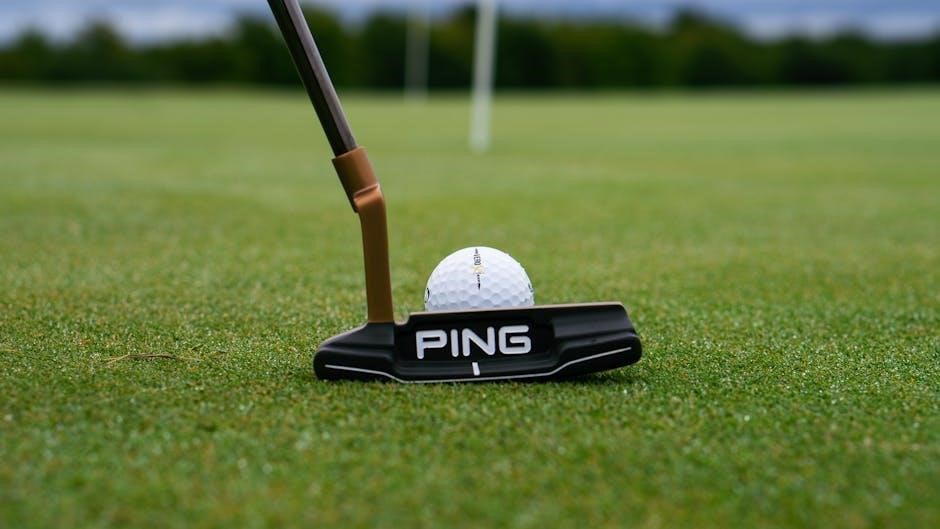
Current Market Trends in Ping Putter Collecting
Currently, the market for vintage Ping putters remains robust, driven by increasing interest in golf history and collectible sporting goods. Scottsdale-era Anser models, particularly those in exceptional condition, command premium prices, reflecting their rarity and desirability. Demand for early Phoenix-stamped putters is also strong, though generally lower in value.
Originality is paramount; putters retaining their original grips and finishes fetch higher prices. Restorations, while sometimes acceptable, often diminish value unless expertly executed. The market shows a growing appreciation for less common Ping models like the Zing and Pal, offering opportunities for savvy collectors. Overall, well-preserved, historically significant putters continue to appreciate, making it a dynamic and rewarding collecting field.